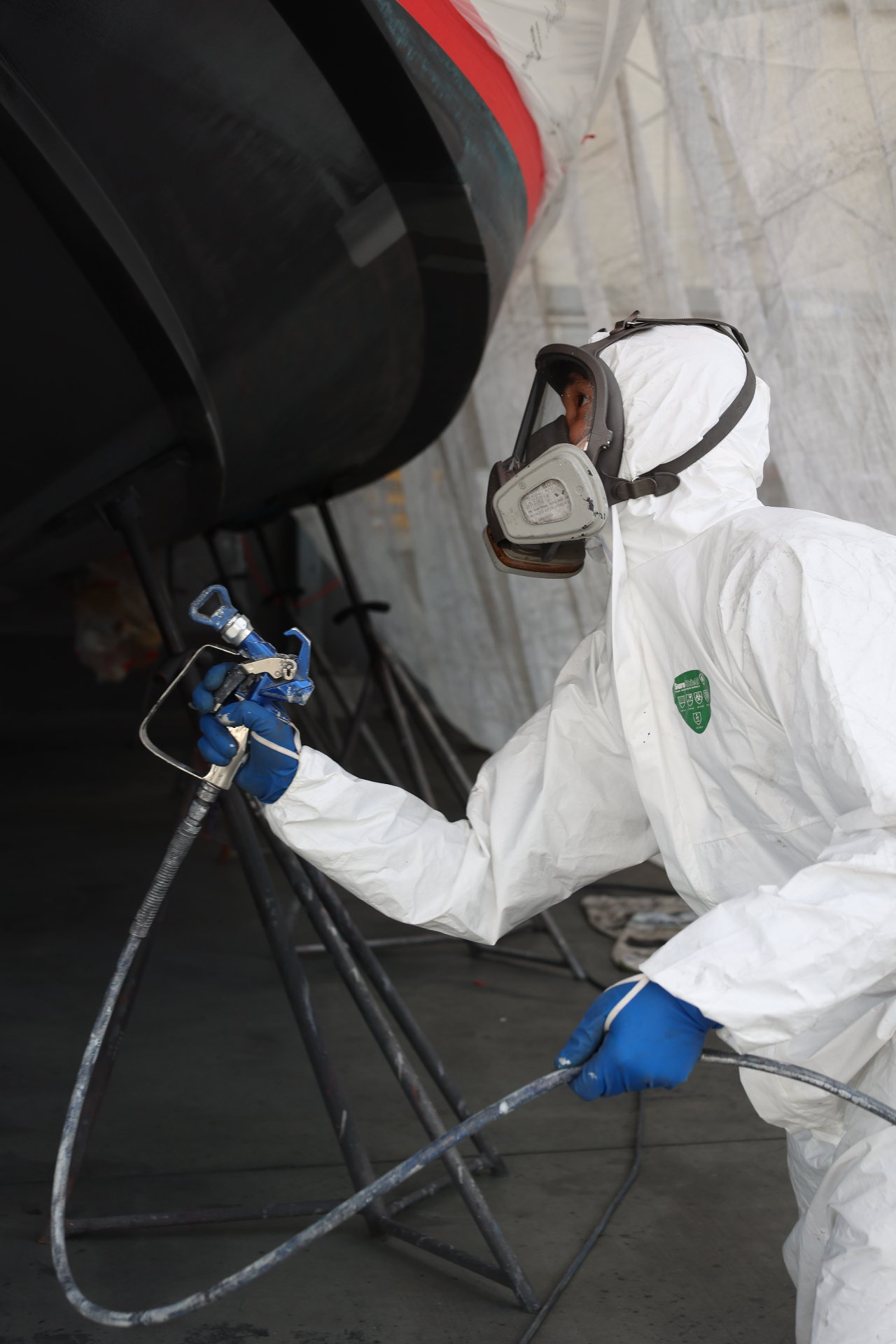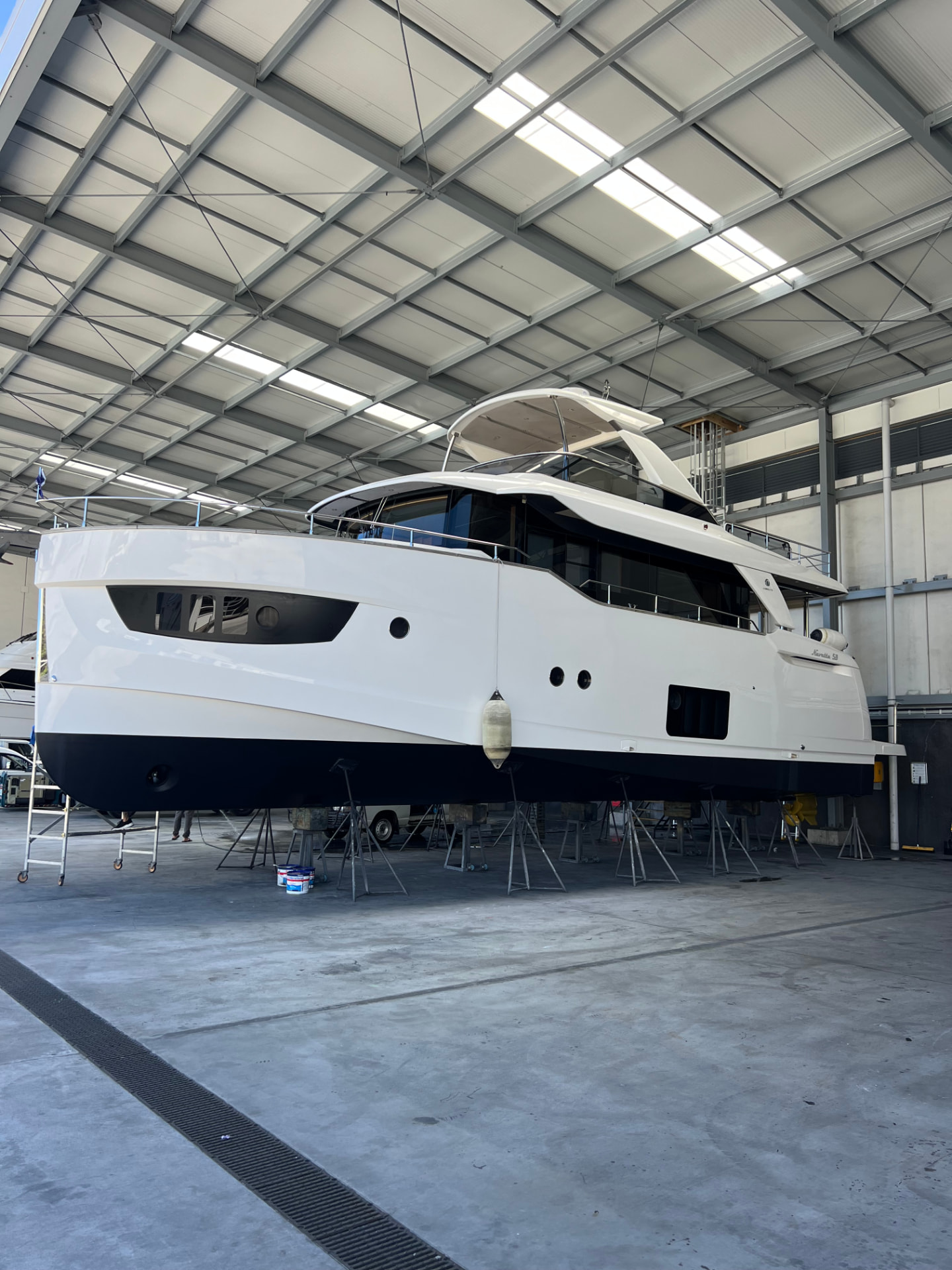
Many New Zealand boat owners antifoul roughly once a year, but that is a common pattern rather than a rule. The right interval for your boat depends on how it is used, the fouling conditions where it is kept, the type of coating, how well it was applied and what an inspection shows. The most reliable way to time your next antifoul is to look at the condition of the hull, not the calendar.
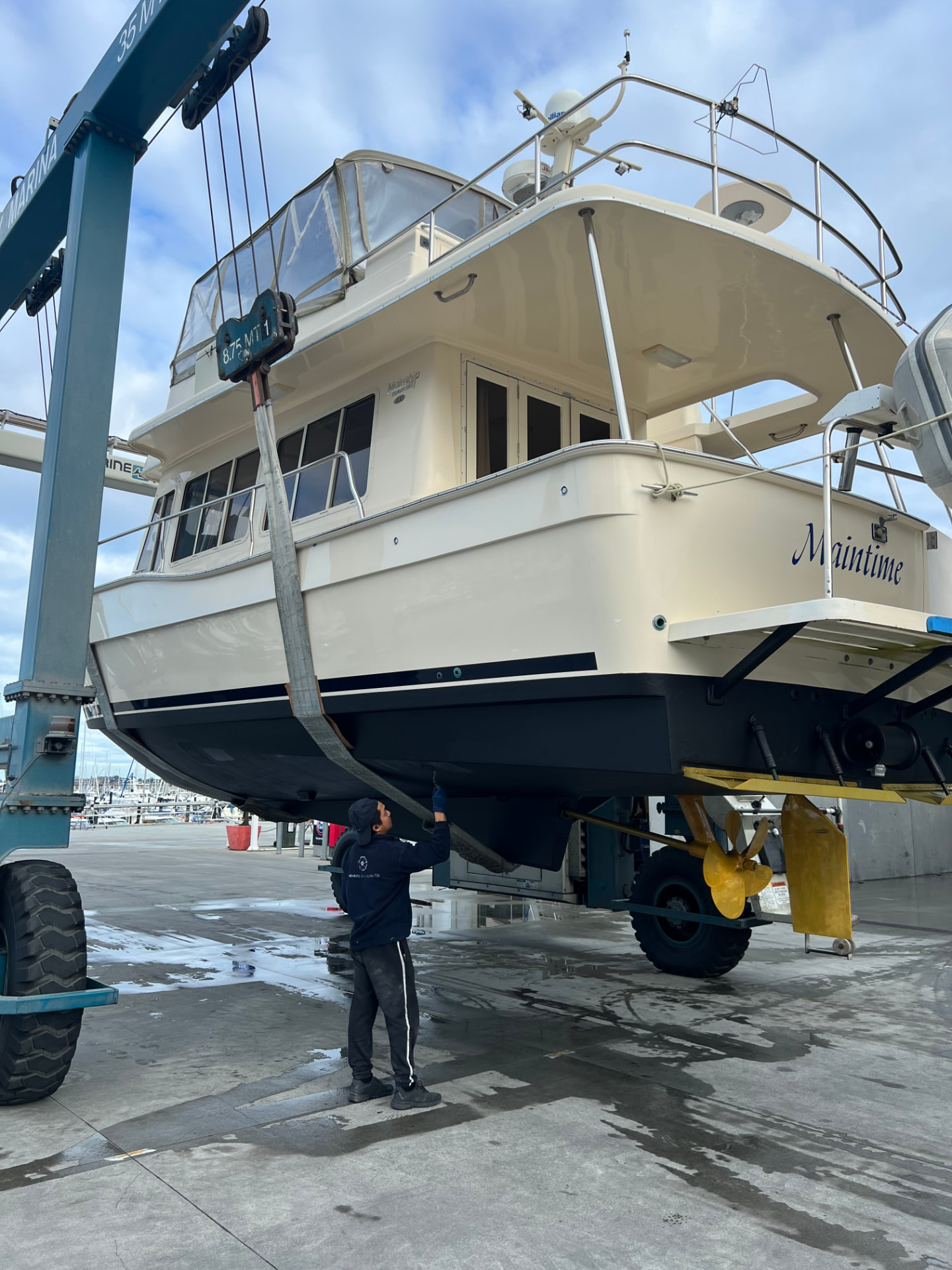
Why there is no universal recoating interval
Two identical boats painted with the same antifoul on the same day can need very different maintenance. One might be used every weekend and kept in a marina with good water flow; the other might sit on a sheltered mooring for months. The coating on the second boat faces more opportunity for growth to settle, and may also wear differently.
Manufacturers usually describe how their products are designed to perform, but those descriptions assume correct application and typical use. Real-world results vary, which is why we avoid giving a fixed number of months without seeing the boat.
What affects how often you need to antifoul
How the boat is used
Regular use keeps water moving across the hull and, with eroding coatings, helps refresh the surface. Long periods sitting still allow slime and growth to establish. Speed matters too: some coatings wear faster on boats that regularly run at high speed.
Fouling conditions where it is kept
Water temperature, tidal flow, sunlight and local organisms all influence fouling. Growth is generally more active in warmer months, and conditions can differ noticeably between Auckland marinas, moorings and harbours. A boat that moves between areas may also face different growth.
Coating type
Hard, ablative and self-polishing antifouls behave differently over time. An eroding coating gets thinner as it works, while a hard coating stays in place but gradually releases its biocide. Our guide to choosing the right antifoul explains the differences.
Application quality and film thickness
Preparation, the number of coats and the thickness applied all affect how long a coating keeps working. Thin areas, missed edges and coats applied without enough drying time tend to fail first.
Inspection findings
What you see at a lift or a dive inspection is the best guide. A coating that still looks sound and is controlling growth may simply need cleaning and touch-ups, while one that has worn through or is fouling quickly is due for attention.
Signs your antifoul needs inspection or maintenance
- Growth returning quickly after the hull has been cleaned.
- Weed or barnacles establishing, rather than just a light slime layer.
- A noticeable drop in speed or more fuel used for the same trip.
- Bare patches, primer or a different colour layer showing through.
- Flaking, cracking, blistering or lifting paint.
- Rough or uneven areas, often along the waterline, keel or bow.
None of these automatically means a full antifoul is needed. They do mean the hull should be looked at so the right work can be planned. If the coating is failing rather than simply worn, read antifoul removal or another coat.
Cleaning between haul-outs must suit the coating
Cleaning the hull between antifouls can extend how well a coating performs, but the method has to match the product. Aggressive scrubbing can remove an eroding antifoul much faster than intended, and some coatings are not designed to be cleaned in the water at all. Check the manufacturer's guidance before scrubbing, and use soft tools where cleaning is permitted.
In-water cleaning is also subject to rules. Auckland's regional biosecurity rules and individual marina policies may restrict when and how a hull can be cleaned afloat, particularly where scraped material could be released into the water. Check what applies before you or a contractor clean the hull.
Haul-out planning checklist
A little planning makes a haul-out faster and avoids surprises once the boat is on the hardstand:
- Note when the hull was last antifouled and with what product, if known.
- Record any performance changes or fouling you've noticed since.
- Book the lift or hardstand and confirm the yard's rules for hull work and waste.
- Arrange a condition assessment of the antifoul, running gear and anodes.
- Decide whether the coating needs a touch-up, a full recoat or a stripback.
- Consider running gear protection, such as Propspeed, while the boat is out.
- Allow time for drying between coats and before relaunch, as the product requires.
- Plan any other below-waterline or topside work so it can be done in the same haul-out.
Combining work in one haul-out usually makes better use of the lift and hardstand time. Our antifoul application page explains what we include.
Frequently asked questions
Planning your next haul-out?
Tell us about your boat and when it was last antifouled, and we'll help you plan the work it actually needs.