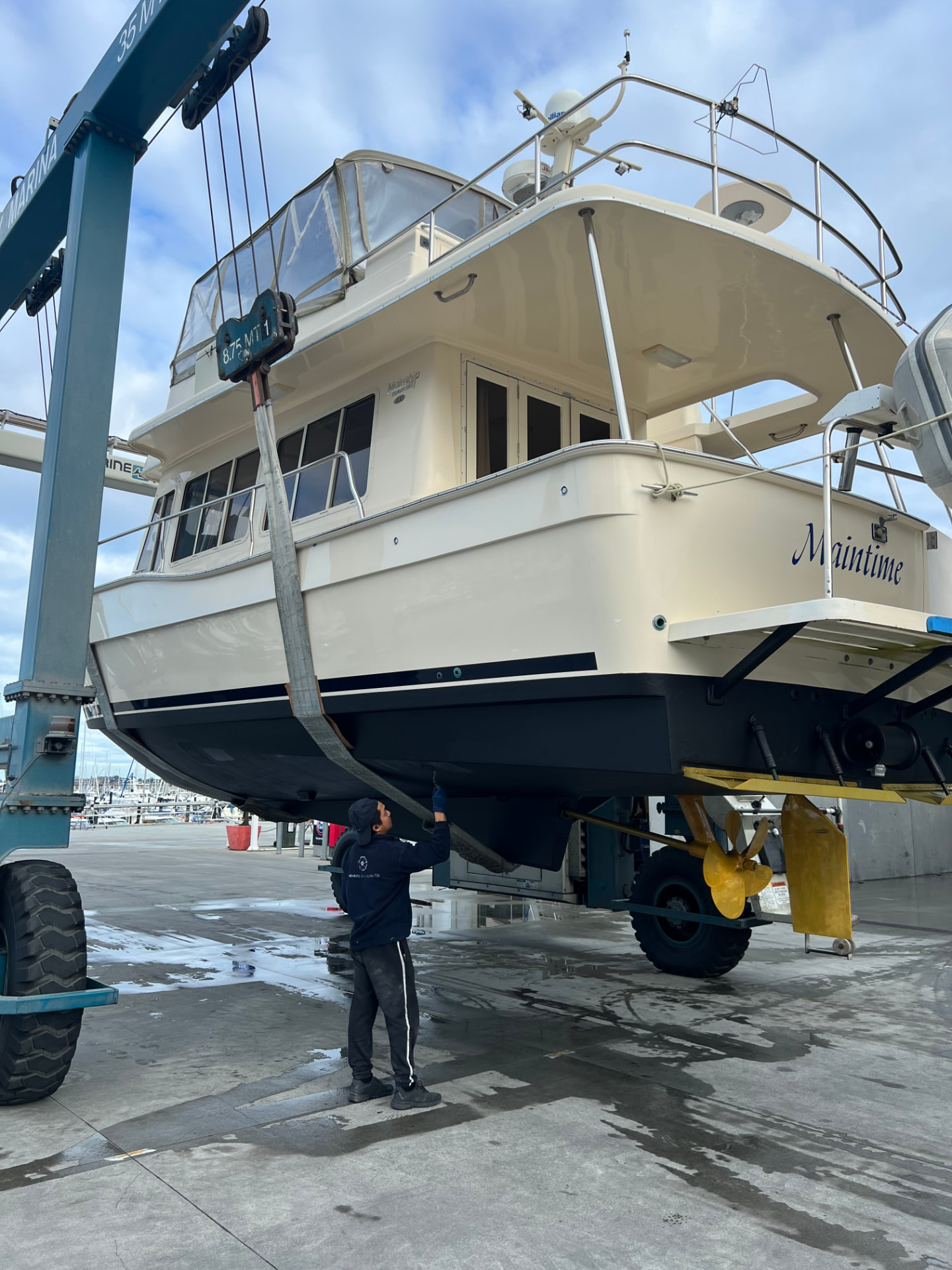
The best way to prepare your boat for summer is to start with an honest condition assessment, then prioritise the work: below-waterline protection and anything affecting safety first, then surfaces that are deteriorating, then cosmetic finishing. Planning early gives you more choice about when work is done and lets related jobs be grouped into one haul-out.
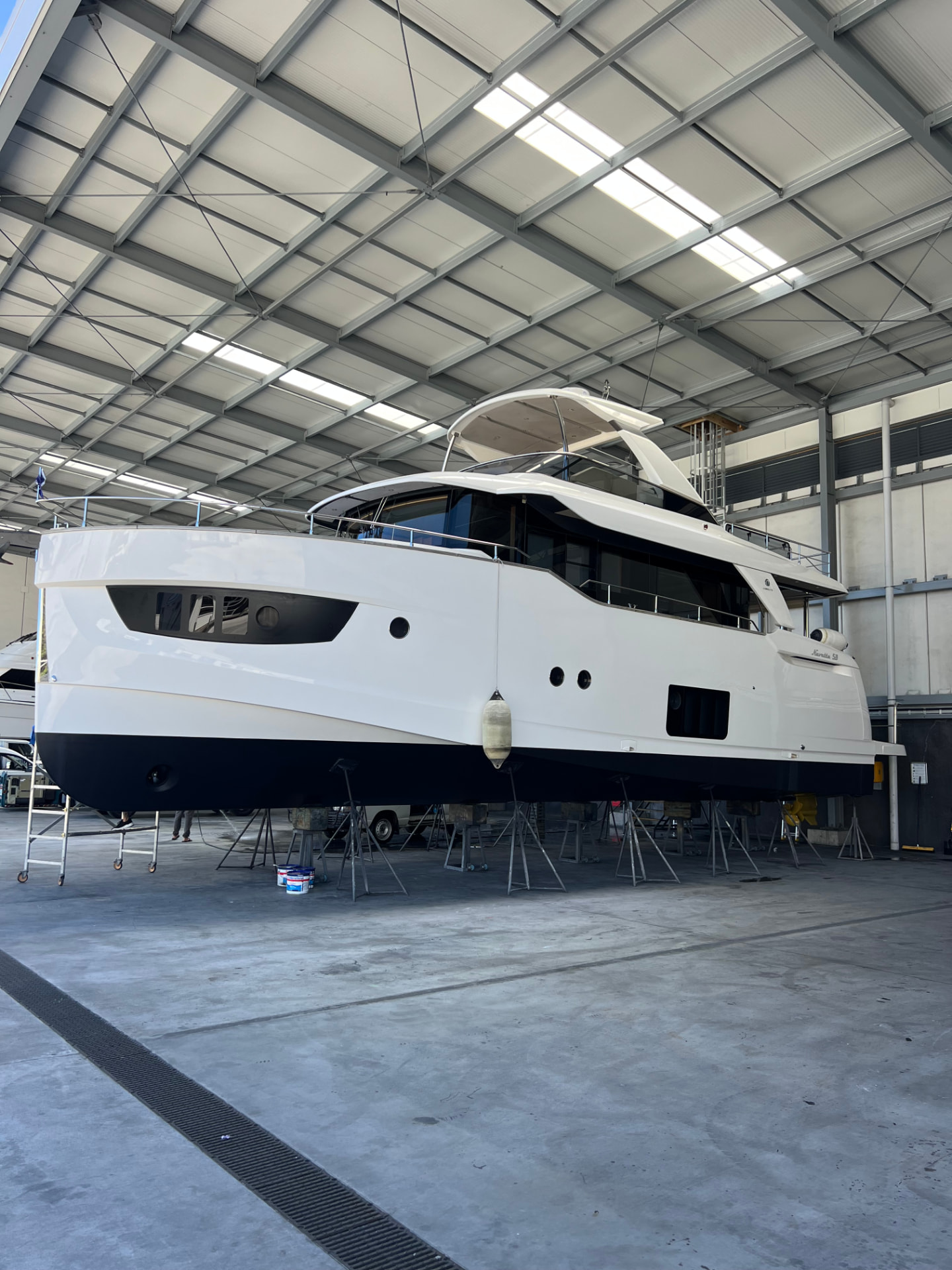
Start with a condition assessment
Before booking any work, walk around and through the boat with a notebook or phone. Record what you see rather than what you remember from last season. A professional assessment can add detail, particularly below the waterline and on gelcoat, where condition isn't always obvious.
Think about how you plan to use the boat this summer too. A boat heading out for long coastal trips has different priorities from one used for occasional day trips around the inner Hauraki Gulf.
Haul-out, antifouling and running gear
If the hull is due for attention, schedule the haul-out first, as other work can often be arranged around it. While the boat is out of the water:
- Inspect the antifoul and decide between cleaning and touch-ups, a recoat or a stripback.
- Check anodes and replace any that are significantly worn.
- Inspect props, shafts, rudders and trim tabs.
- Consider a foul-release coating such as Propspeed for running gear.
- Have any mechanical, structural or electrical concerns checked by the appropriate specialist.
Our guides to how often to antifoul and choosing the right antifoul help with the below-waterline decisions. See our antifoul application page for what's included.
Polishing and protective treatments
After winter, gelcoat often looks duller than you remember. Decide whether the boat needs a full cut and polish to correct oxidation, a lighter polish to refresh the gloss, or simply a wash and a fresh layer of protection.
If the surface is in good condition after polishing, it is the right moment to apply protection, whether wax, a polymer sealant or a nano coating. High-impact areas may suit paint protection film.
Glass, teak, stainless and interior checks
Glass and clears
Look for haze, hard water marks and scratches on windows, and clouding on clears. Clear visibility matters for safety as well as appearance. See window polishing and treatments and clears clean and polish.
Teak
Check for grey weathering, staining, raised grain and loose or failing caulking. Teak should be cleaned gently, as aggressive scrubbing wears it away. Our teak cleaning service uses a careful approach.
Stainless steel
Look for tea staining, pitting and loose fittings on rails, cleats and hardware. Stainless polishing removes staining and leaves a protected finish.
Interior and engine room
Check upholstery, headliners and lockers for mould and odours left over from winter, and freshen the cabin with an interior detail. A clean engine room also makes leaks and issues easier to spot.
How to prioritise the work
| Priority | Examples | Why |
|---|---|---|
| 1. Protection and safety | Antifoul, anodes, running gear, visibility through glass | Affects performance, compliance and safe use |
| 2. Deteriorating surfaces | Oxidised gelcoat, stained stainless, weathered teak | Gets harder and costlier to fix if left |
| 3. Protection and finishing | Coatings, protection film, interior refresh | Preserves the work and improves enjoyment |
If the budget doesn't stretch to everything this season, focusing on the first two rows usually protects the boat best. Cosmetic finishing can follow once the foundations are sound.
Pre-season checklist
- Walk the boat and record the condition of the hull, deck, glass, teak, stainless and interior.
- Decide how the boat will be used this summer.
- Book a haul-out if below-waterline work is needed.
- Assess the antifoul and plan a touch-up, recoat or stripback.
- Check anodes and running gear; consider a propeller coating.
- Plan polishing based on gelcoat condition.
- Choose protection to suit the surface and your maintenance habits.
- Clean or restore glass and clears for good visibility.
- Clean teak gently and check caulking.
- Polish stainless and check fittings.
- Refresh the interior and check for mould.
- Arrange specialist servicing for engines, electrics and safety equipment.
Planning ahead simply means the work can be scheduled at a time that suits you, with related jobs grouped together. If you've kept the boat well over winter, our winter maintenance checklist will have already done some of this groundwork.
Frequently asked questions
Planning your boat's pre-season work?
Tell us what your boat needs and we'll put together a quote that groups the work sensibly.